Data Sensorium
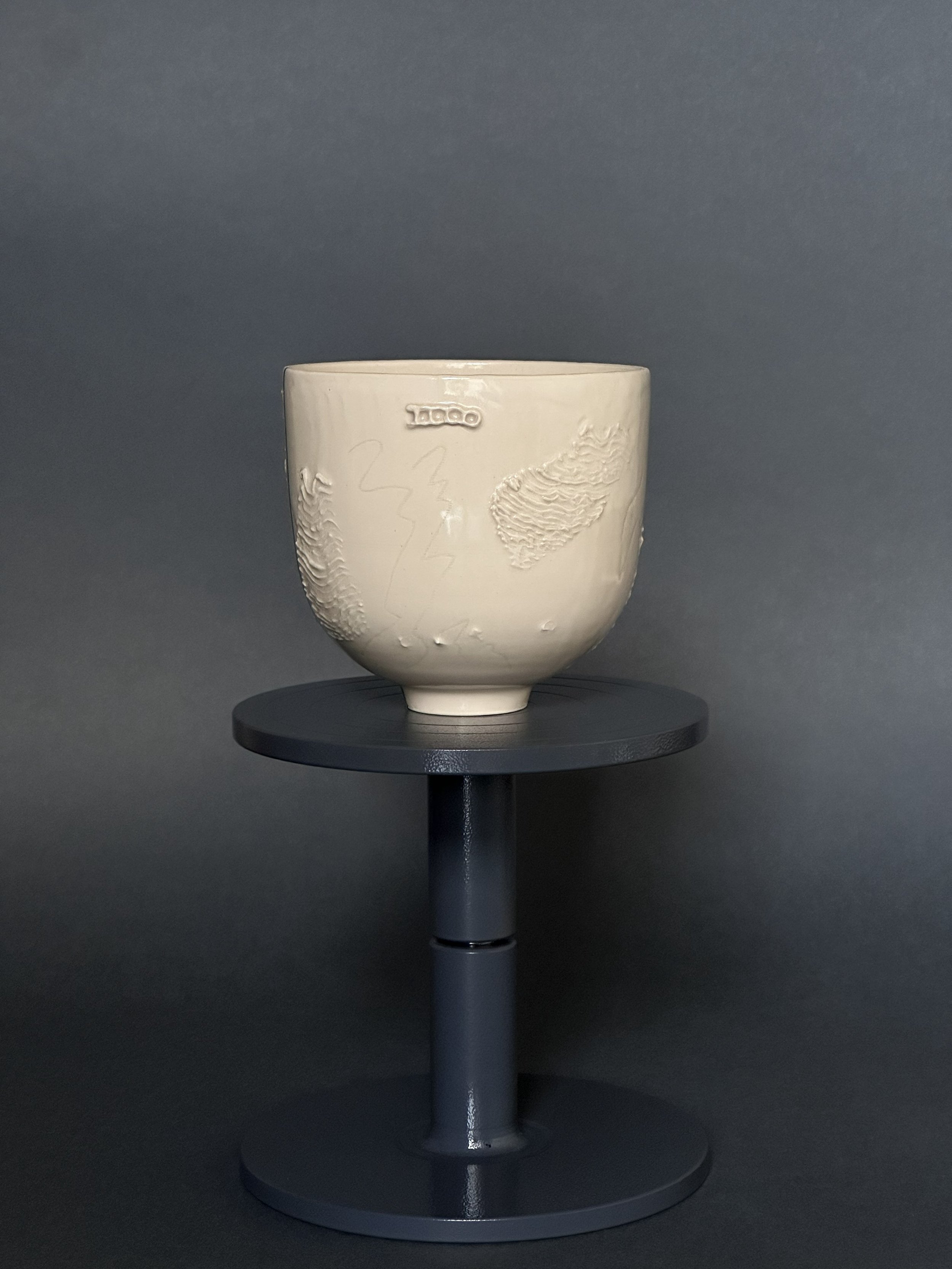
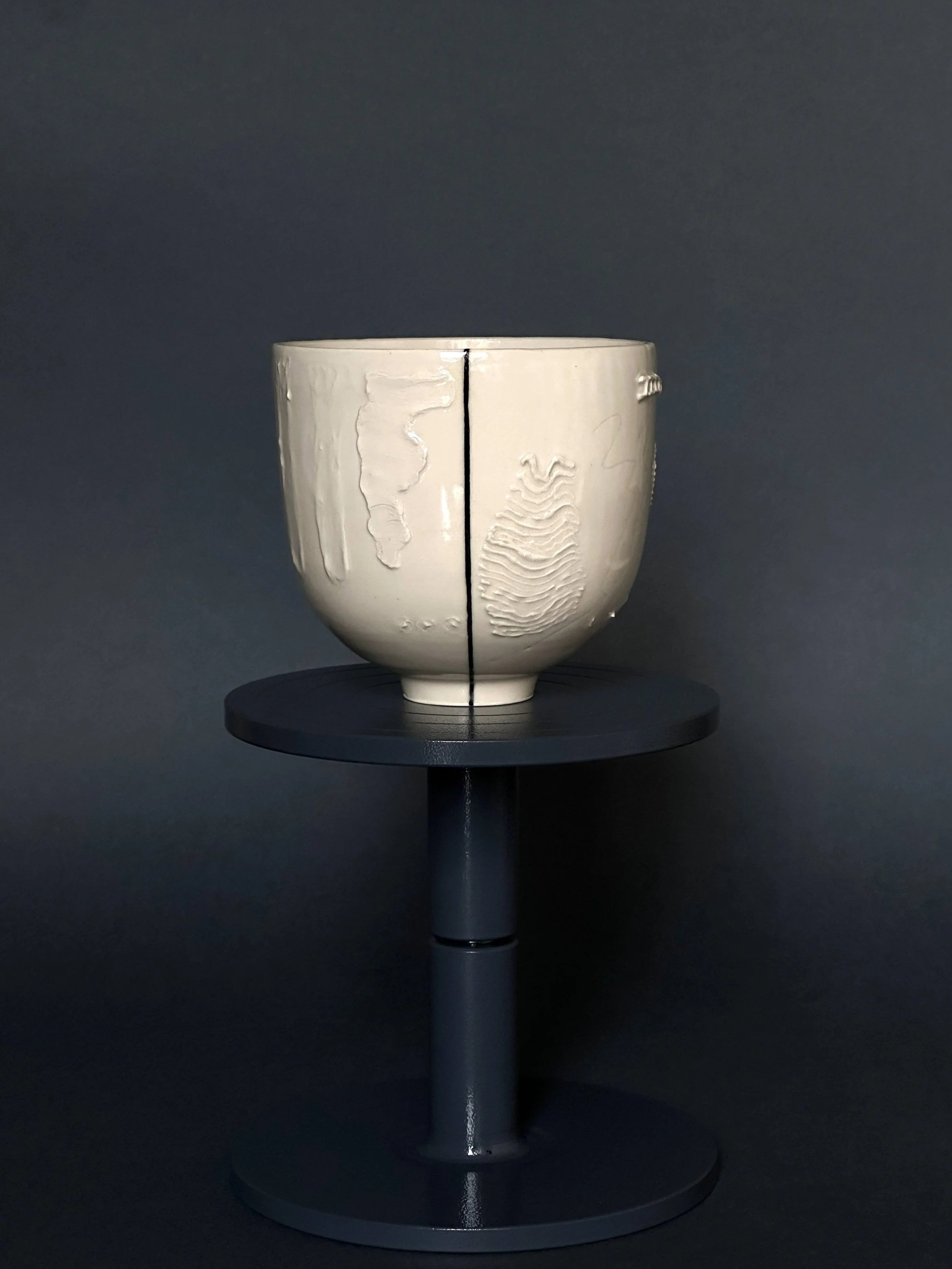
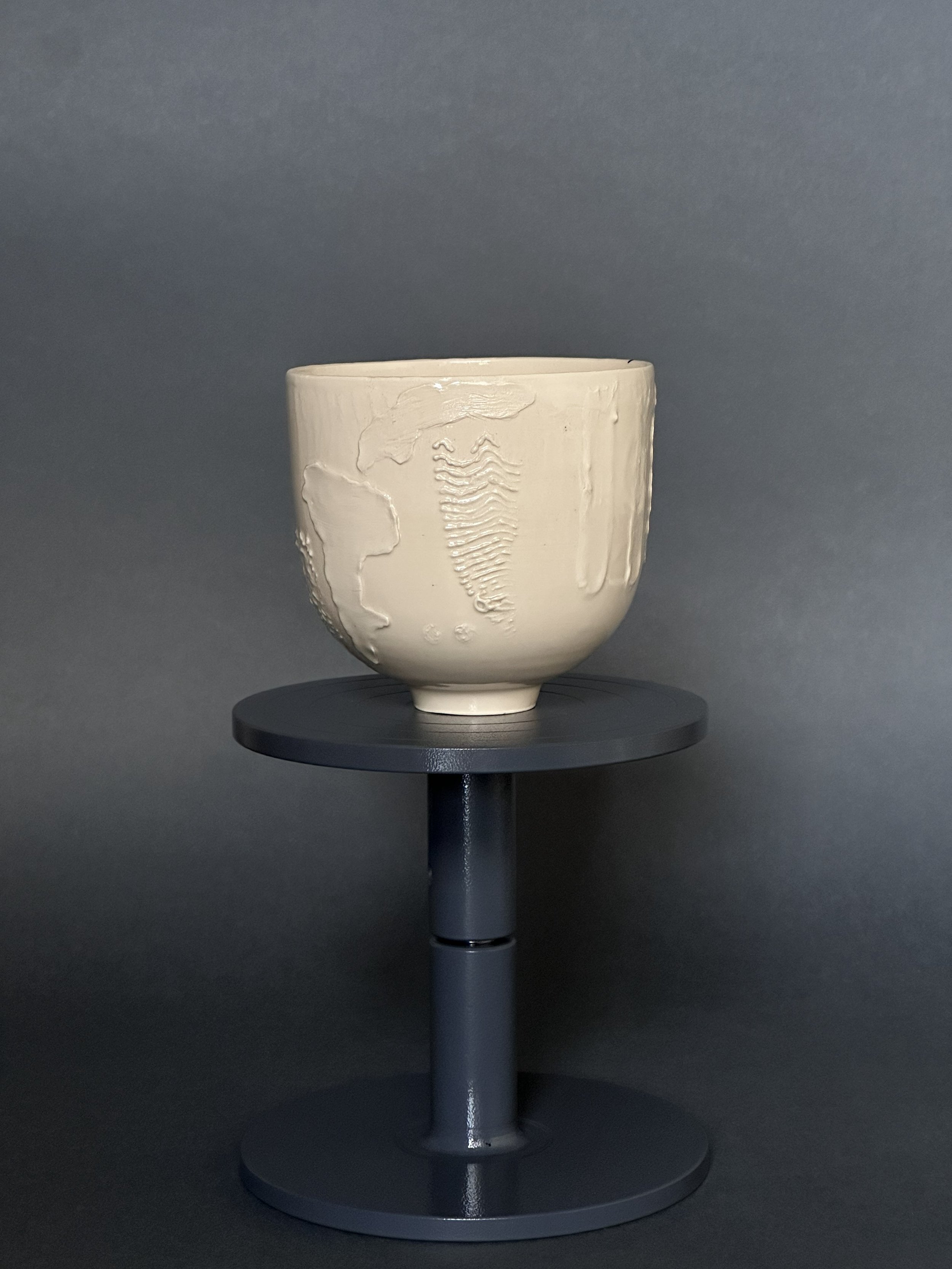
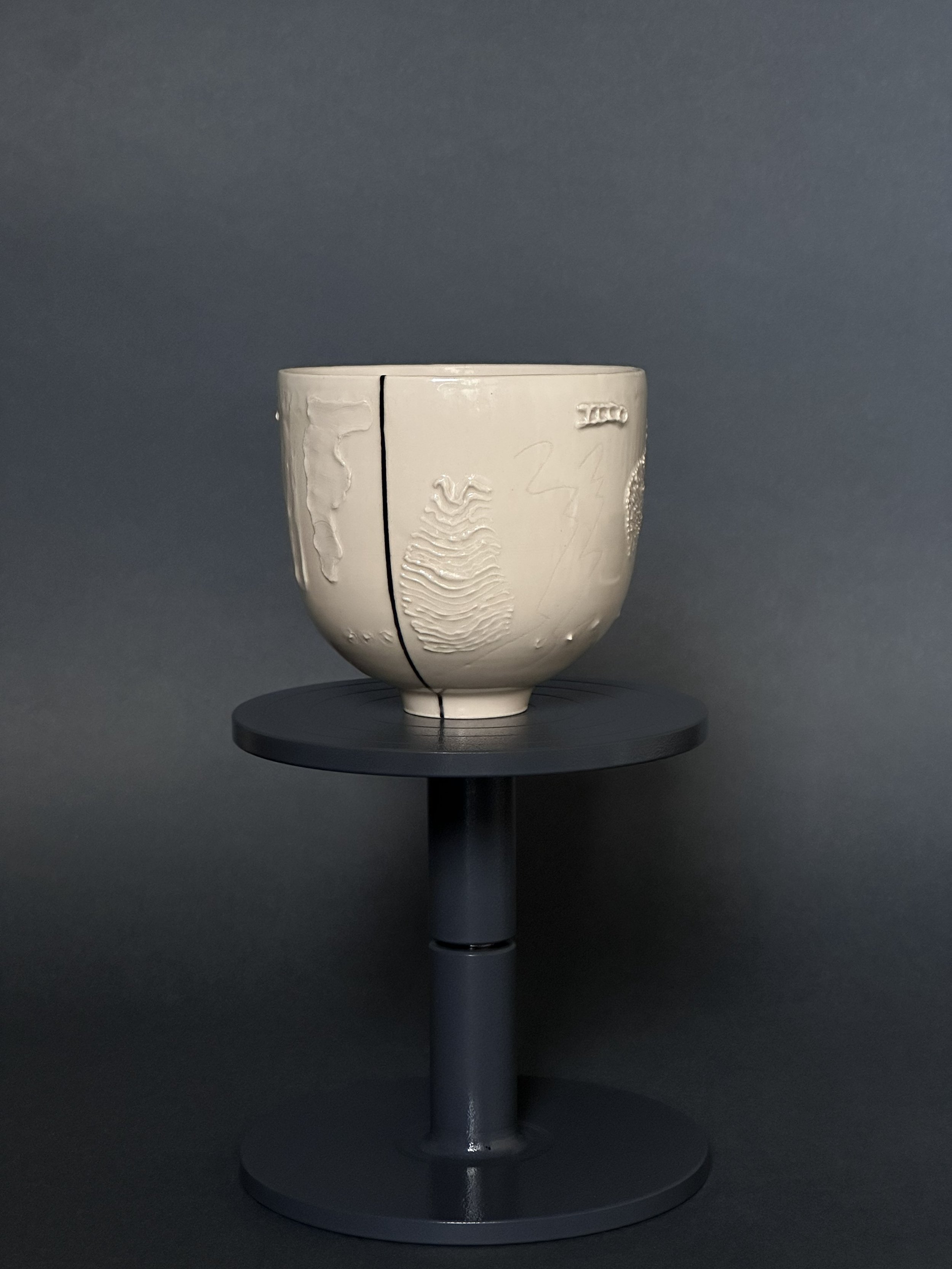
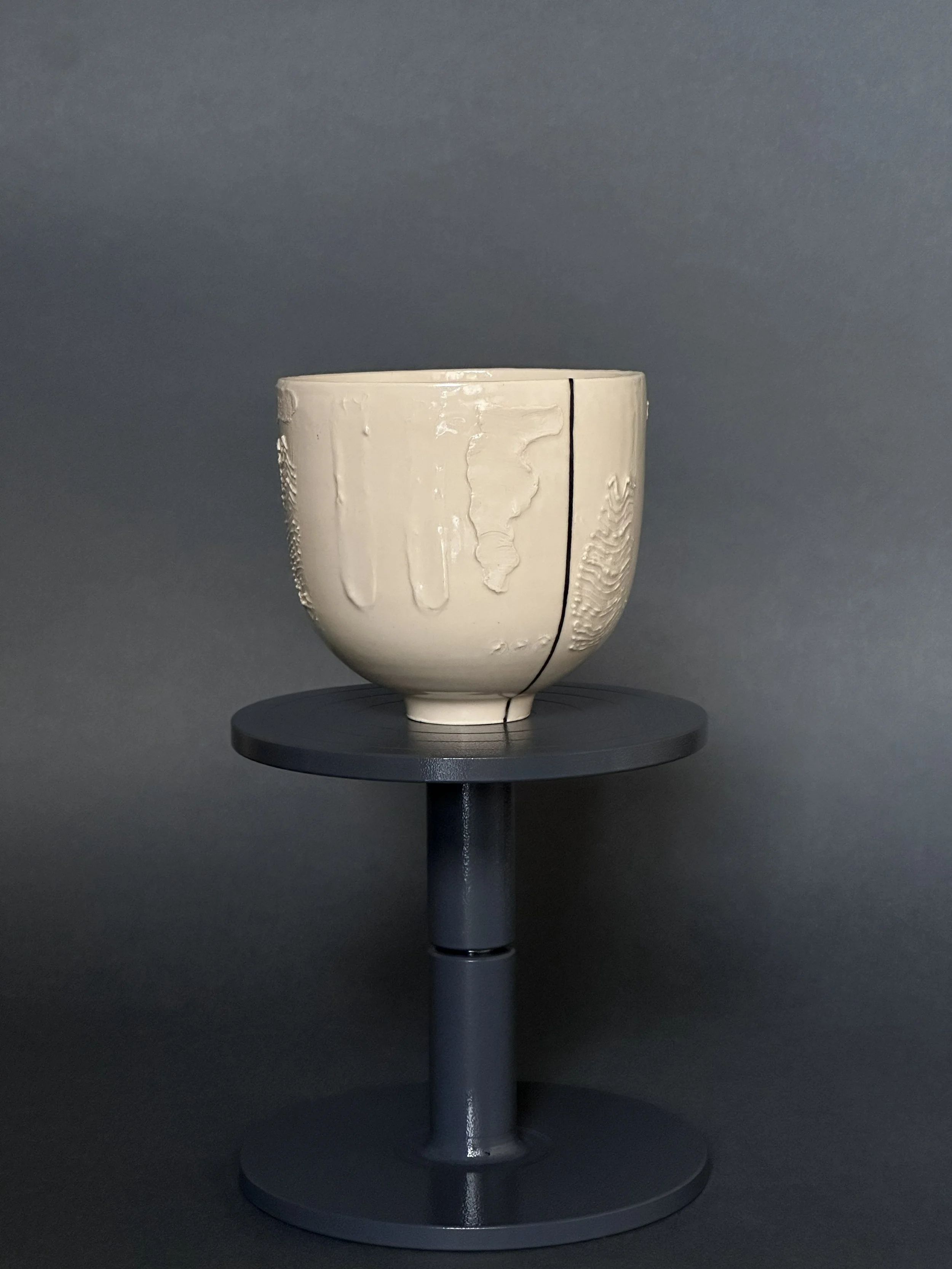
Data Sensorium transforms an archive of campus sound recordings into a series of tactile ceramic cups, giving material form to the layered experiences of a shared place. By translating sound into texture, the project explores how memory, movement, and everyday encounters can be held, touched, and reimagined through clay.
Throughout the year, Dartmouth College students recorded the soundscapes of campus across different locations, seasons, and times of day, creating an archive of 170 recordings, each up to three minutes long. Rather than treating these recordings as documentary material, the project interprets them as traces of everyday collective life.
Each campus location possesses its own sonic identity — a rhythm shaped by movement, conversations, architecture, weather, and recurring daily routines. These acoustic patterns are translated into a series of textured ceramic bowls, with each bowl corresponding to a specific place on campus. The tactile surface becomes a physical interpretation of sound, inviting visitors to "read" the landscape through touch while listening to the original recordings.
By transforming ephemeral sound into ceramic form, Data Sensorium draws attention to the unnoticed environments we collectively create. The installation invites visitors to slow down, listen more carefully, and reconnect with the social and sensory landscape of everyday life. Through the combined experience of listening, touch, and use of the ceramic cups, the work reflects on how communities gradually inhabit and make places their own. As familiarity grows, attention shifts: spaces become functional, and much of their sensory richness recedes into the background. Sounds that once defined an environment are filtered out by routine and the purposes that bring us there.
In Data Sensorium, this process is gently reversed. Students deliberately choose where to go, when to record, and in which season or time of day to listen, making each recording a deeply personal encounter with the campus. These individual decisions create a collective archive that reactivates the sonic identity of familiar places. By returning these soundscapes as tactile, utilitarian objects, the project invites a renewed encounter with spaces that are already known, allowing them to be perceived once again with the attentiveness of a first visit.
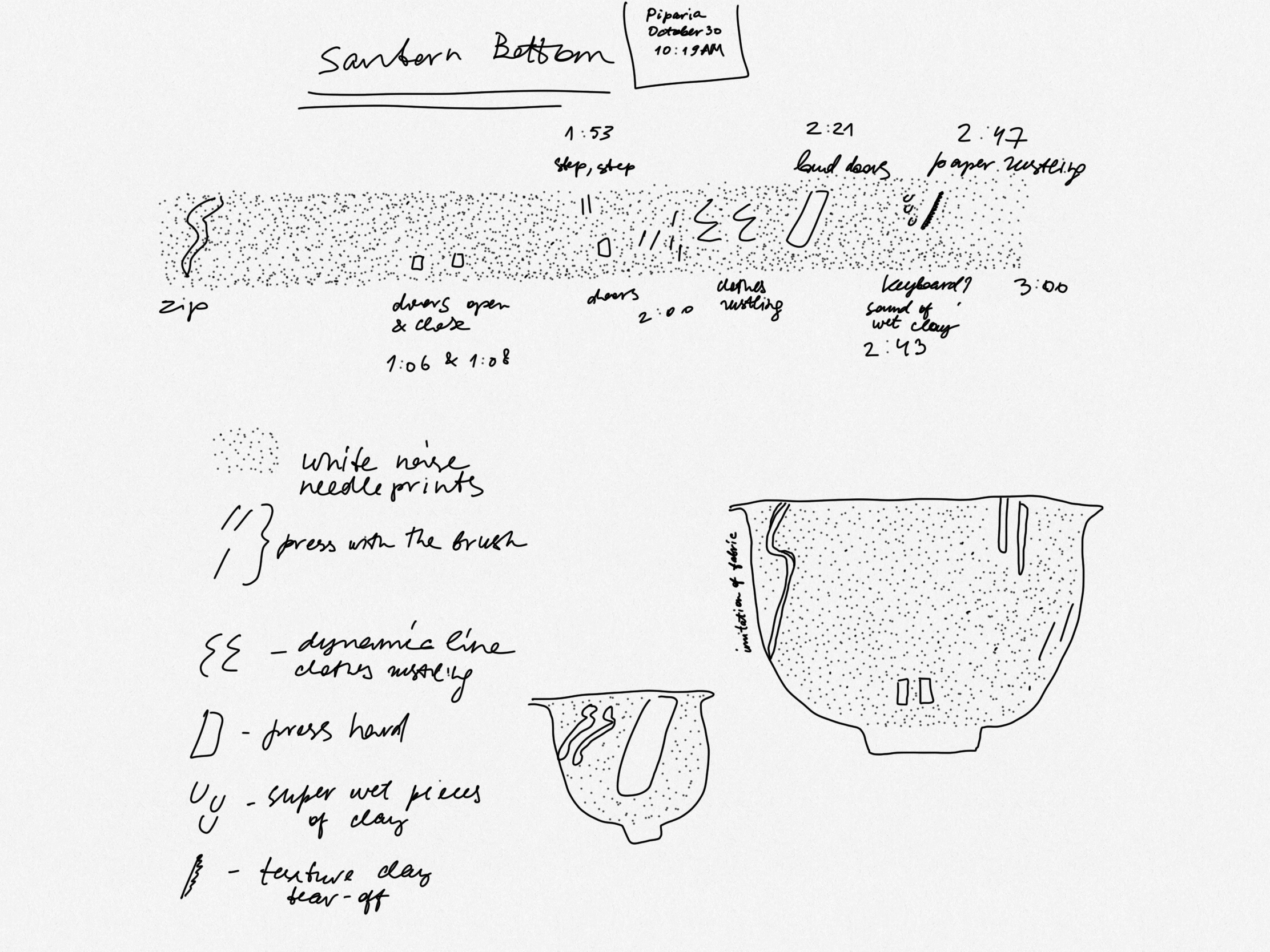
The recording was made at Sanborn Library, an intimate and quiet library that is one of Dartmouth students' favourite places for individual study and peaceful reflection. The recording was created by a student Vidhi Piparia as part of the project. Its almost imperceptible sounds shape the sensory identity of the library and become the basis for the ceramic surface.
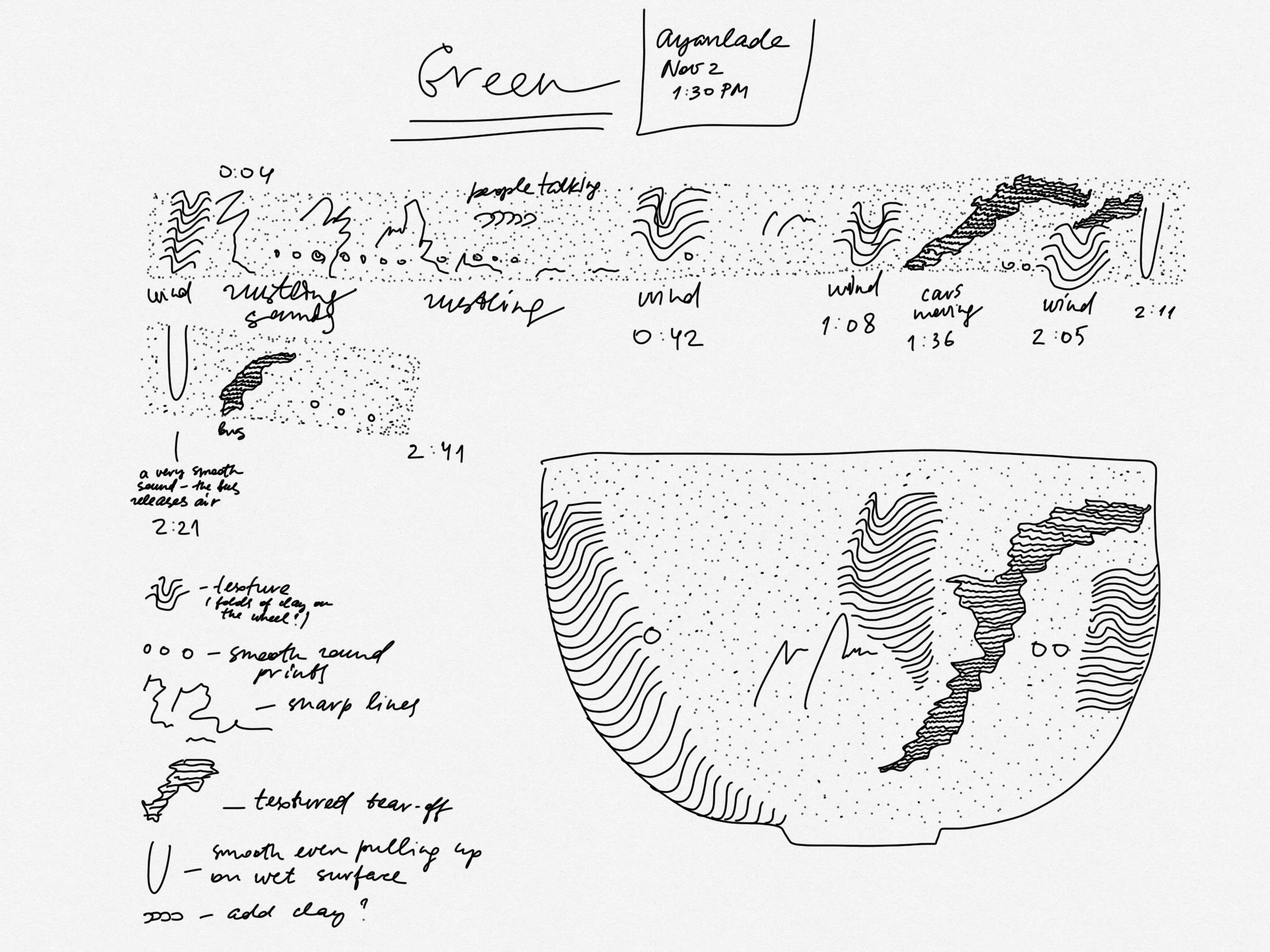
The recording was made on the Green, the central lawn at the heart of Dartmouth College, crossed by numerous informal footpaths connecting different parts of the campus. The Green is the setting for many of Dartmouth's public events and traditions, while also serving as a place for recreation, conversation, breaks between classes, and everyday campus life. The recording was created by student Jesuferanmi Ayanlade as part of the project. Its layered soundscape captures the rhythms of collective presence and becomes the basis for the texture of the ceramic surface.
The project was initiated and supported by the Digital Ethnic Futures Lab and the Digital Humanities and Social Engagement Cluster at Dartmouth College, NH, USA